Okay, so check this out—I’ve been messing with Solana wallets for a few years now. Wow! The ecosystem moves fast. Seriously? Yes. My first impression was: wallets are a pain. Initially I thought browser extensions were risky, but then realized they can actually be the most convenient and secure option when used right, if you lock down your habits and settings.
Here’s the thing. Wallets come in flavors: mobile, hardware, and browser extension. Short answer: browser extensions sit smack in the middle of convenience and control. Hmm… they let you jump into DeFi or NFTs in seconds. My instinct said to be wary at first—there were phishing attempts and sketchy dapps—but after using them daily, patterns emerged that made me more confident about what to trust and what not to trust.
Phantom, Solflare, Sollet — these names keep popping up. I’m biased toward Phantom because of the UX (user experience) and the way it handles token visibility; it just feels polished. I’m not 100% sure everyone will agree, though. Some folks like alternate UIs or different features; it’s a personal preference, like coffee strength. (I take mine black, by the way.)
Getting set up is straightforward. First, you install the browser extension and create a new wallet or import an existing seed phrase. Really? Yes—just follow the prompts and write the seed phrase down on paper, not on a screenshot. My gut says: treat that seed like a spare key to your house. If you lose it, you’re locked out. If you misplace it, somethin’ bad can happen.
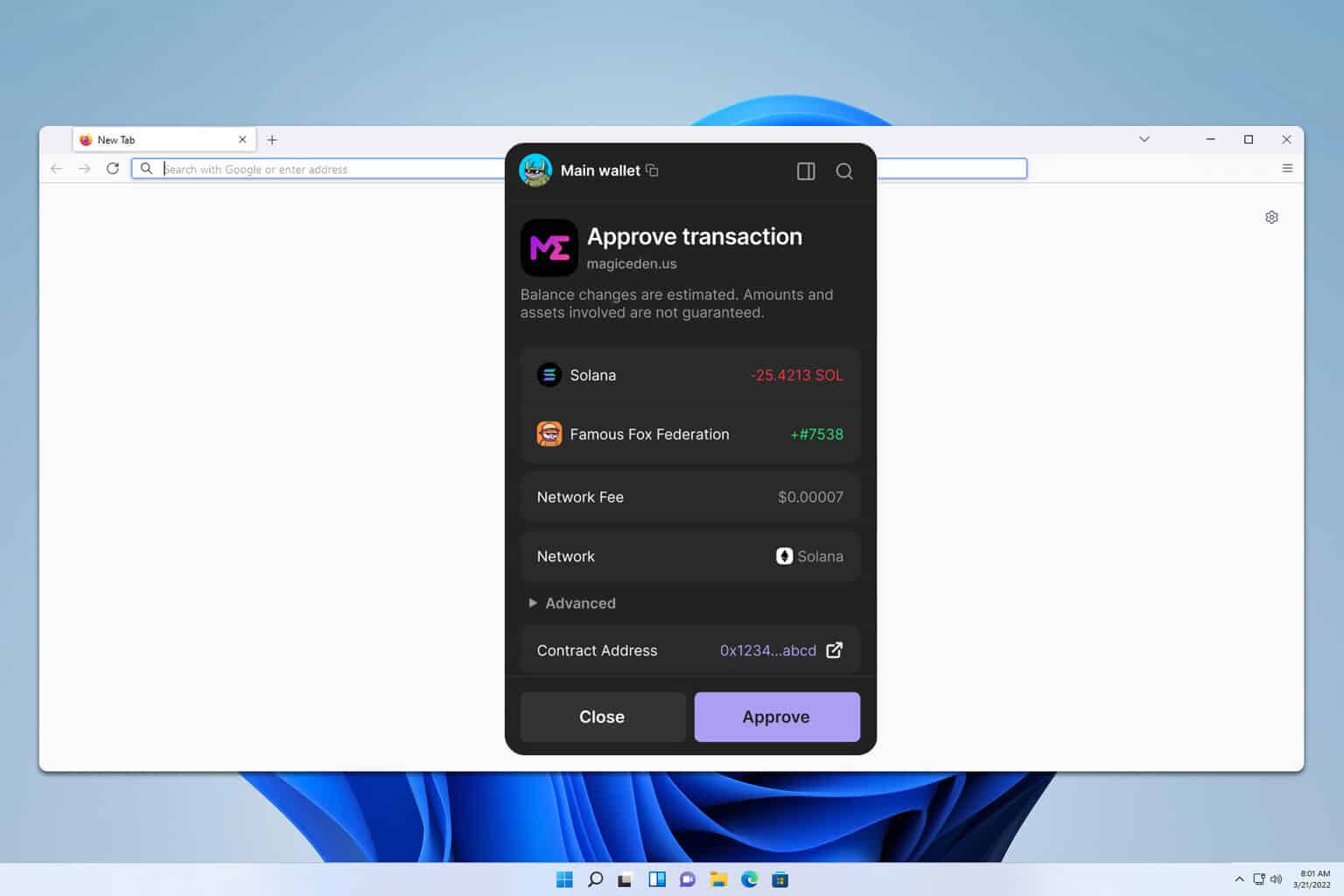
How the Phantom Browser Extension Fits In
Phantom focuses on simplicity and speed with features tailored to the Solana chain. It auto-detects SOL and SPL tokens. It can sign transactions quickly. It integrates with popular dapps. It’s not perfect—there are edge cases and UX trade-offs—but for most users it’s a great balance between safety and convenience, especially if you plan to interact with DeFi protocols and NFT marketplaces frequently.
Want the extension? Try this official-ish place to get the phantom wallet download extension and follow the browser prompts. Note: always double-check the URL in your address bar and the extension publisher info—phishing copies exist, and they mimic look and feel. Long story short: be skeptical and verify.
Security basics, quick list. Short items first. Back up seed phrases offline. Use hardware wallets for big holdings. Disable auto-connect on sites you don’t trust. Medium: enable password lock on the extension. Longer thought: if you rely on the wallet for daily small trades and NFT drops, consider keeping only a working amount in the extension and the majority of your funds in cold storage (hardware or paper), because while extensions are convenient, they are exposed to browser-based attack surfaces.
On the subject of DeFi—this is where things get interesting. DeFi on Solana is fast and cheap. Fees feel nonexistent compared to some other chains. That speed is addictive. I got pulled into yield farming and swaps quickly because slippage was low and confirmations were instant. But then I realized (slow brain check) that faster doesn’t mean safer. You still need to read contract audits when possible and trust the teams behind protocols. Initially I thought «if it has volume it’s legit»—but actually, wait—volume alone is not a safety guarantee.
Wallet ergonomics matter. Phantom has a nice token list, a swap UI built-in, and a smooth connection dialog. The UI tells you when a site asks for permissions and what those permissions entail, although sometimes it’s dense. On one hand, permissions screens are helpful; on the other hand, users often click accept without reading. That’s human behavior—I’ve done it too—so build a habit: glance, then confirm (or refuse).
Something that bugs me: gasless token approvals and blanket approvals. Some dapps request unlimited access to tokens. Hmm. Don’t grant unlimited allowances unless you trust the dapp completely. Revoke access periodically. There are tools for revoking. It’s very very important.
Practical tips for everyday users (short checklist). Use a unique strong password for the extension. Keep browser extensions to a minimum. Clear cookies and caches occasionally. Consider using a separate browser profile for crypto activity (I use one profile just for Solana stuff—keeps things tidy). And if you’re in the US, be aware of tax implications; small trades add up.
Okay, so here’s a quick troubleshooting nugget. If a dapp won’t connect, check your network setting and that you’re not on an unsupported RPC. Sometimes public RPCs are rate-limited and cause weird behavior. Switch RPCs, refresh, reconnect. If that fails, check community channels; often someone else hit the same snag minutes ago.
One faint worry: browser extensions can be targeted by malicious extensions or compromised browser environments. On one hand you can minimize risk by locking down your device; though actually, if your device is already compromised, no wallet is safe. The correct mindset is layered defense—hardware wallet for big sums, extension for everyday moves, good hygiene always.
FAQ
Is the Phantom extension safe?
Short answer: yes, if you follow best practices. Use strong passwords, back up your seed phrase offline, and keep large balances off an extension. Phantoms UX errs on the side of clarity, with clear prompts, though you should still verify every request (oh, and by the way—watch out for phishing sites).
Can I use Phantom with hardware wallets?
Yes. Phantom supports hardware integrations for improved security. That combo is powerful: the extension handles dapp interactions and the hardware device signs transactions offline. Initially I thought hardware was cumbersome, but later I found it feels reassuring and actually practical for holding meaningful amounts.
I lost my seed phrase. What now?
If you’ve lost the seed and you still have the unlocked extension, export it immediately to a secure place or move funds to a new wallet. If the extension is locked and you lost the seed, you’re likely out of luck—there’s no central recovery. So, write it down and tuck it away somewhere safe (not in a screenshot).
I’ll be honest—wallet tech can feel overwhelming at first. But once you get the basics, it gets a lot more manageable. There’s a rhythm: secure, test with small amounts, learn the UX patterns, then gradually do more. My final thought: enjoy the speed and low fees on Solana, but respect the security trade-offs and use Phantom or any extension with the mindset of cautious convenience. Somethin’ tells me you’ll thank yourself later…

